
You’ve got a product idea sitting in your head, or maybe a few sample jars on your kitchen counter already. A face serum. A hair oil your nani used to make. Good start. But there’s a question that trips up almost everyone at this stage, and it rarely gets asked early enough. Who’s actually going to produce this at scale?
That single decision, picking the right cosmetic manufacturer in India, quietly ends up shaping the entire brand. Not just the product quality either. Pricing, timelines, even how fast you can react when a product suddenly takes off.
I’ve watched founders obsess over their logo for three weeks straight, then finalize a manufacturer over a single WhatsApp call. Backwards, honestly. A manufacturer isn’t some vendor you tick off a checklist. They’re the reason your product does what you promised customers it would do. Or doesn’t.
Why India Has Turned Into a Manufacturing Hotspot
Nobody sat down and planned this. It just sort of happened, over the last decade, maybe a bit more. Plenty of formulation chemists around, raw material sourcing doesn’t cost a fortune, and even small order volumes don’t blow up your production budget the way they might elsewhere.
Something else shifted too, quietly. A decent cosmetic manufacturer in India rarely acts like a bottle-filling factory anymore. R&D in-house, stability testing, compliance paperwork sorted internally, packaging design sometimes thrown in. Used to be “hand over your formula, we’ll produce it.” Now it’s closer to an actual working relationship. That shift alone explains why so many brands would rather manufacture here than deal with importing.
What Actually Matters When You’re Picking One
Everyone on your shortlist will insist they’re the right fit for you. Sure they will, that’s what sales calls are for. What’s actually worth checking, instead of just believing them?
Certifications aren’t a nice-to-have
Ask for GMP and ISO documents, straight up, no hesitation. Confirm they’re following the Cosmetics Rules under the Drugs and Cosmetics Act while you’re at it. Skip this step and you’ll find out later, usually months down the road, when some marketplace suddenly flags your product listing for no obvious reason.
Formulation or just production?
Some brands show up with a finished formula, ready to hand over. Most don’t, and honestly that’s fine too. If you’re in that second camp, you want someone with a real in-house R&D setup, capable of building from nothing based on how you’re positioning the brand. Could be clean beauty. Could be Ayurvedic, vegan, dermatologist-tested. Doesn’t matter which, as long as they can actually build it.
MOQ trips up more people than it should
First-timers get caught off guard by this constantly. Some manufacturers simply won’t talk to you unless you’re ordering ten thousand units minimum. Budget doesn’t stretch that far? Go hunting specifically for someone comfortable with smaller, more flexible batch sizes.
Packaging and private label options
A solid cosmetic manufacturer in India usually offers private label or white label routes too, so you’re not left coordinating five separate people just to get labels, fills, and boxes done. Some even pitch in on label design. Small detail, but it saves a surprising amount of back and forth over email.
Private Label vs Contract Manufacturing
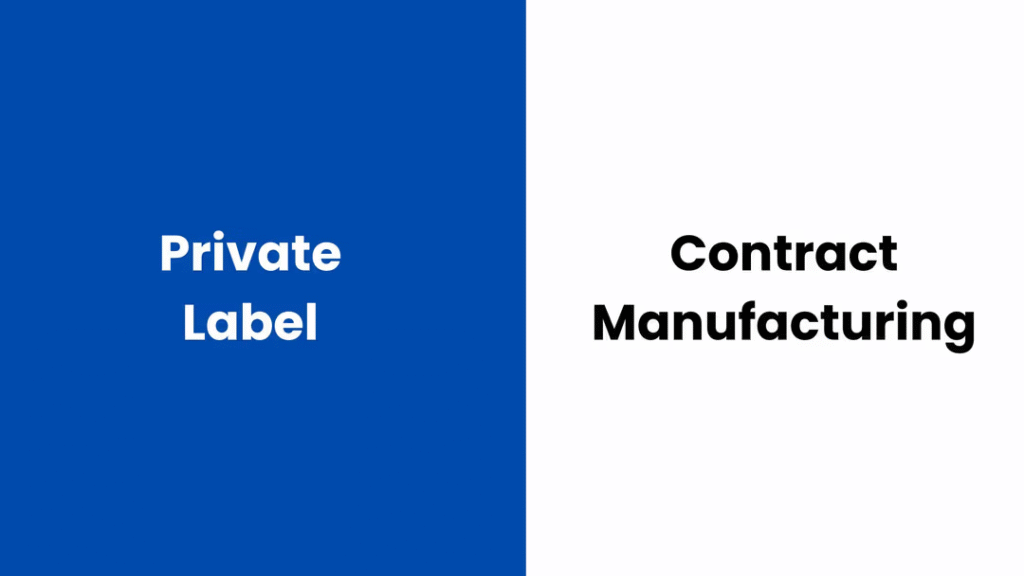
People confuse these two constantly, so quick breakdown.
Private labeling means picking from an existing catalog of ready formulas and putting your branding on top. Fast, cheaper, decent for a quick launch.
Contract manufacturing is different. They build your formula from scratch, entirely custom. Takes longer, costs more going in, but nobody else on the market has your exact product.
A cosmetic manufacturer in India worth trusting will actually tell you which route fits your situation better, rather than pushing whichever pays them more.
Mistakes That Keep Repeating Across Brands
Going with the cheapest quote on the table. Feels smart at first. Then quality slips somewhere and you’re the one fielding complaints from customers.
Skipping samples entirely. Always, always get a sample batch first. Test it yourself, hand it to a few real people, before committing to a full run.
Trusting timelines that sound too good. A two-week turnaround promise usually means delays are coming, just later than you’d like.
Not planning ahead for scale is another one. Say you’re launching with 500 units but secretly hoping to hit 50,000 within the year. Ask now whether they can actually handle that jump, don’t wait until you’re already stuck mid-scramble.
How This Actually Works at Fortune International
Contract manufacturing works best, honestly, when it stops feeling like outsourcing and starts feeling like an actual partnership. A cosmetic manufacturer in India worth its salt stays involved from the formulation and stability testing stage right through packaging and regulatory paperwork. Not just showing up for the “production” middle bit and disappearing otherwise.
That kind of full-service setup matters most if you don’t have your own R&D or QA team sitting in-house, which, let’s be real, describes nearly every early-stage brand out there. Handling formulation, filling, and testing under one experienced partner keeps the whole thing a lot less chaotic than juggling five separate vendors would.
Fortune International has basically built its entire business model around this idea. Over a decade in the space now, more than 50 brands have taken from a rough idea to an actual product sitting on a shelf somewhere. A handful of things stand out once you dig into how they actually operate.
There’s a library of 200+ proven formulations sitting ready to go, so starting from absolute zero isn’t your only option if you don’t want it to be. Facility-wise, it’s GMP certified, plus ISO 22716 and FDA compliance covering both India and the US, which knocks out most of the boxes a new brand needs ticked before retail or export even becomes a real conversation.
MOQ starts fairly low, around 500 units, which matters a lot if you’re a smaller brand still testing the waters rather than betting the entire budget on one massive order. Once you actually need to scale up though, their capacity apparently runs past 500,000 units a month, so growth isn’t something you’d need to worry about hitting a wall on later.
Prototypes typically land within 7 to 10 working days, quick enough that you’re not sitting around for a month just to physically feel and smell your own product. Cruelty-free, vegan, and herbal Ayurvedic lines are covered too, so if clean beauty is part of your brand’s whole identity, it’s already baked into what’s offered rather than something you’d need to specially request.
There’s also the paperwork side they handle, CDSCO and FDA filings, cosmetic licensing, import-export code, trademark and label claims. That admin stuff genuinely eats weeks if you’re trying to sort it solo, so folding it into the manufacturing process instead of chasing it separately saves a real chunk of stress down the line.
Questions Worth Asking Before Signing
- Can I actually see your GMP and ISO certificates?
- What’s the MOQ for a completely new product line?
- Do you handle formulation, or just the production side?
- Realistically, how long from approved formula to delivery?
- If orders spike fast, can your setup actually keep pace?
Simple stuff, but asking early saves a lot of grief a few months in.
Clean Beauty and Ayurvedic Products Are Picking Up Fast
Customers have gotten choosier, and that’s honestly a good thing for the industry. Herbal formulations, ingredient transparency, recyclable packaging, all of it is in demand now. Plenty of brands are now telling their cosmetic manufacturer in India upfront to skip harsh chemicals and stick to natural ingredients.
This isn’t a passing phase either. Retailers and e-commerce platforms increasingly favor brands that can explain exactly what’s in a product and why it’s there. A manufacturer already experienced with clean or Ayurvedic formulations puts you several steps ahead, instead of everyone figuring it out through trial and error together.
Picking the Right Partner Takes Time, and That’s Fine
Choosing a cosmetic manufacturer in India isn’t a decision to close out over one phone call. It shapes product quality, brand reputation, and how customers feel about you long after that first purchase. Visit the facility if that’s an option. Ask for references. Get real samples in your hands before locking anything long-term.
Look, a good manufacturing partner isn’t just about hitting delivery dates on time, though that matters too obviously. They help you build something people genuinely want to reach for again, and that repeat purchase habit is really the whole difference between a brand that sticks around and one that quietly disappears after twelve months.
Got a product idea and want to talk it through with a team that handles formulation, testing, and packaging without passing you around between vendors? Get in touch, let’s figure out what your first batch could look like.
Explore Fortune International’s expertise as a leading cosmetic manufacturer in India, offering white label cosmetics manufacturer services, private label cosmetic manufacturers in India solutions, third party cosmetic manufacturing, premium products from a trusted skincare manufacturer in India, and innovative offerings from experienced hair care products manufacturers in India.