
You’ve got a formula idea. A brand name you’re excited about. Maybe even packaging mockups sitting in your phone gallery right now. None of it means much though if you end up with the wrong manufacturing partner. One bad batch. A missed shipping date. A compliance document that doesn’t hold up. Suddenly your launch, the one you’d planned for months, gets pushed to next quarter.
So how do you actually find the best cosmetic manufacturer in India? Not by scrolling through the first page of Google results and picking whoever has the flashiest website. It comes down to knowing what actually separates a dependable partner from one that’s going to cause you problems six months in.
Let’s get into what really matters here.
Why This Choice Carries More Weight Than People Assume

New founders often treat this decision like a box to check off. It isn’t. Your manufacturer shapes your product’s quality, whether orders arrive on time, and honestly, whether the person who bought your moisturizer once comes back to buy it again.
India’s cosmetic manufacturing scene has grown a lot. Cost advantages, decent raw material access, factories that have upgraded their equipment over the years. All of that is real. But it also means there’s a crowd out there, and not everyone calling themselves a “manufacturer” actually runs their own production line.
Telling a Real Manufacturer Apart From a Middleman
Here’s something a lot of first-time brand owners don’t realize: plenty of companies online are brokers, not manufacturers. They collect your order, hand it off to an actual factory somewhere, and pocket a margin in between. That’s not automatically a bad thing, but it does mean more room for things to get lost between you and the people actually mixing your product.
Just ask them straight up: do you own the facility? A genuine manufacturer won’t dodge this. They’ll usually offer plant details, share certifications, maybe even invite you over if you’re close enough to visit.
What You Need to Check Before Signing Anything
Before locking in the best cosmetic manufacturer in India for your specific brand, a handful of things are worth confirming upfront.
Certifications Aren’t Optional
GMP certification should be the bare minimum. Depending on what you’re making, ISO certifications or export-specific approvals might matter too. If a manufacturer fumbles when you ask for these, or takes weeks to produce them, take that seriously. It’s not a small detail.
MOQs That Actually Fit Where You Are Right Now
This trips up a lot of early-stage brands. Some manufacturers only deal in bulk numbers suited for brands already doing serious volume, not someone launching their first 500 units to test demand. The best cosmetic manufacturer in India for a startup tends to be one willing to start small with you and scale the order size up as things pick up.
Whether They Actually Have R&D Behind Them
This one gets overlooked constantly. A manufacturer that just executes your brief without pushing back on stability issues or shelf-life concerns isn’t giving you the full value of what you’re paying for. Good in-house R&D can catch problems before they become expensive reformulation headaches later.
Private Label or Custom Formulation? Here’s the Real Difference
This decision comes up early for almost every new brand.
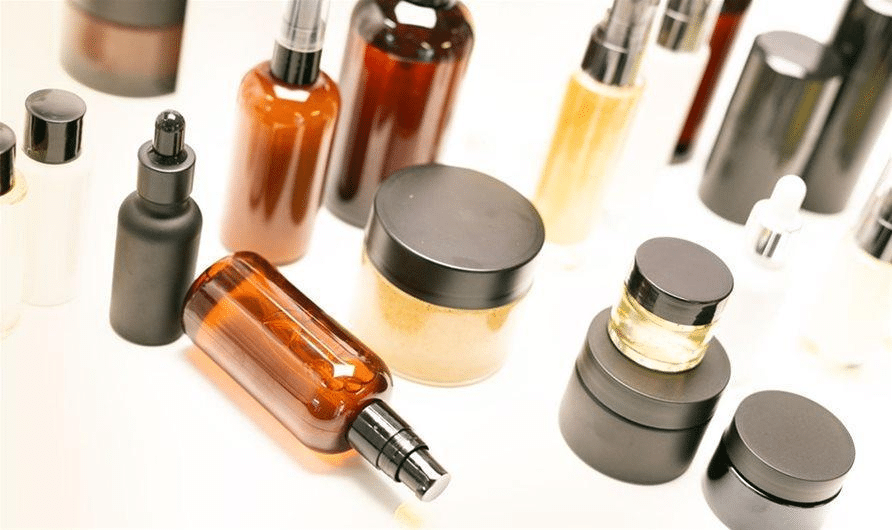
Private labelling means you’re choosing from formulas the manufacturer already has ready, then branding it as your own. Quicker, cheaper, good for testing the waters before committing further.
Custom formulation is building something from zero, built around exactly what you want. It takes longer. Costs more going in. But you end up with something nobody else on the shelf has.
There’s no universal right answer here. It really comes down to your budget, your timeline, and how much you care about having something genuinely different from what’s already out there.
Where Fortune International Comes Into This
Fortune International operates in this space, working across skincare, haircare, and personal care lines. If you’re researching manufacturing partners that can handle both private label work and custom formulation projects, their name tends to come up.
What’s worth noting is how many categories they cover under one setup. Instead of juggling separate vendors for creams, serums, hair products, and personal care items, dealing with one manufacturer across categories can make communication simpler and keep timelines more predictable, which matters more than people expect once you’re actually managing production.
Their setup seems built to work with brands at different stages too. Whether you’re launching your very first private label range or you’re a bit further along and want a custom formula with specific actives, there’s room for both conversations. That flexibility is genuinely useful when you’re still figuring out how big your first order should even be.
If Fortune International is on your shortlist, don’t just take the website’s word for it. Have an actual conversation. Ask about their current MOQs, which categories they’ve got the deepest experience in, and what their certifications actually cover. That conversation will tell you more than any page of marketing copy.
Warning Signs Worth Taking Seriously
A few patterns keep showing up in bad manufacturing experiences, over and over.
Vague answers about where raw materials come from. If a manufacturer can’t clearly tell you their sourcing, that inconsistency usually shows up in your final product eventually.
Timelines that sound too good. If everyone else quotes six to eight weeks and one manufacturer says two, ask why. Sometimes there’s a good reason. Often there isn’t, and something’s getting rushed or skipped.
Slow, vague communication before you’ve even signed anything. That’s basically a preview. If getting a simple quote takes three weeks of chasing them, think about what handling an actual production issue is going to feel like.
Actually Comparing Your Shortlist
Once you’ve got a few names narrowed down, here’s a practical way to sort through them.
Get samples first. No brochure or sales call replaces holding the product, testing the texture, checking how it feels against what you had in mind.
Talk to their existing clients if you can, ideally ones around your size. A manufacturer used to working with massive corporate accounts might not prioritize your smaller order the way you need them to.
Be honest with yourself about turnaround times, factoring in your own approval process too, not just whatever number they quote you.
Things Worth Asking Before You Commit
- Can They Actually Grow With You?
Your first order might be modest. But if the product takes off, can this manufacturer handle ten times that volume six months from now? Not every facility can, and switching partners mid-growth is genuinely disruptive to a brand still finding its footing.
- What’s Their Process When a Batch Doesn’t Pass Quality Checks?
Slightly uncomfortable question, but ask it anyway. A manufacturer with a clear, documented answer here is far more trustworthy than one who insists that never happens to them.
- Is Packaging Sourcing Part of What They Offer?
Some manufacturers handle packaging procurement alongside production, which saves you coordinating a separate vendor. Others leave that entirely to you. Better to know this going in than discover it halfway through your timeline.
Pulling This All Together
There’s no single answer to who’s the best cosmetic manufacturer in India. What works for a skincare startup won’t necessarily suit someone building a haircare brand for mass retail. It comes down to your product category, order volume, budget, and how much formulation support you genuinely need from them.
Take your time here. Ask the uncomfortable questions. Get the samples. Don’t let the lowest quote on the table be the deciding factor, because manufacturing is a long-term relationship, and getting it right early saves you a lot more trouble than it costs.
If you’re comparing manufacturers right now, reach out to names like Fortune International or whoever else is on your list. Ask about certifications, MOQs, and where their real expertise lies. Whoever actually listens to what your brand needs, instead of pushing their standard package on you, that’s usually the one worth going with.
Explore Fortune International’s expertise as a cosmetic manufacturing company, white label cosmetics manufacturer, third party cosmetic manufacturers in India, skincare manufacturer in India, and shampoo manufacturer. We offer customized solutions and premium services as a leading private label skincare manufacturer.